Top-Notch Perennials Offering Continuous Blossoms throughout the Year, Ideal for Attracting Hummingbirds
Tossing together a garden irresistible to hummingbirds is a sheer pleasure for any gardening aficionado seeking fluttering, vibrant creatures that play a crucial role in pollination. To summon these captivating birds to your backyard, plant a spectrum of perennials brimming with a nectar-powered feast.
Perennials are the dream pick, as they resurface year after year, supplying a sustainable ecosystem. By planting Hummingbird Mint, you'll transform your garden into a wildlife refuge in the privacy of your own yard, brimming with delightful insects that keep things in balance.
Here's a breezy stroll through hummingbird-friendly landscapes that feature blooms with tubular-shaped flowers, a guaranteed hit among avian sweet-tooths.
Hummingbird Heaven: Top Perennials you need
- Phlox (Phlox spp.): Phlox flowers attract more than just your eyes. Bees, butterflies, and hummingbirds will descend on your garden, entranced by their striking bundles of colorful blooms and tantalizing fragrance. While purple flowers coax hummingbirds into an up-close viewing, phlox can charm as the star attraction in large baskets or containers. Be mindful that this plant is sensitive to drought and benefits from consistent hydration in hot, dry weather.
You can enhance your health as well, as phlox tea is said to cleanse blood and aid in healing skin conditions like eczema or boils.
- Native Honeysuckle (Lonicera sempervirens): Our feathered friends can't resist the juicy red flowers of the native honeysuckle. By placing it in bright, indirect sunlight, you'll enjoy a burst of orange-red trumpet-shaped flowers. This hardy perennial can maintain its attractiveness deep into winter in milder climates.
Deer and drought be gone! Native honeysuckle excels in acidic to moderately alkaline soils and fairly tolerates dry environments. Commonly used for indigestion, bacterial infections, diabetes, and improving memory, among other things.
- Chuparosa (Justicia californica): Blooming in fall or spring, this compact shrub will beckon hummingbirds with tubular flowers that advertise a nectar feast. Thriving in fast-draining soil, the drought-tolerant Chuparosa is an excellent option for any garden.
Don't forget that Chuparosa Oil, or Hummingbird Oil, is a potent, seductive essential oil rumored to render its user unbelievably desirable.
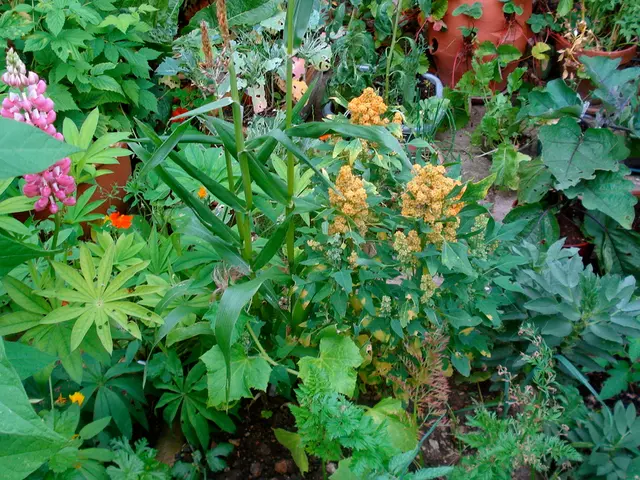
- Goldenrod (Solidago spp.): Don't ignore these heroes of the wildflower field! Goldenrod flowers are an essential food source for hummingbirds, butterflies, and even bees when planted alongside crops.
Easy to care for, goldenrod is a breeze to grow in full sun and well-drained, average soil. It's forgiving, happy to live in dry soils, clay, and even sand if watered occasionally.
In addition to attracting pollinators, research suggests goldenrod may help reduce inflammation, ease muscle spasms, and lower blood pressure.
- Beard Tongue (Penstemon spp.): Don't overlook those intriguing hairs along Beardtongue's lower petals. Their presence is strategically designed to force bees deeper into the flower, ensuring that hummingbirds receive first dibs on the sweet nectar.
Lucky for us, hummingbirds seem to like this setup as much as we do. To keep things humming, water occasionally during dry spells and provide a fertile, well-drained soil.
- Butterfly Weed (Asclepias tuberosa): The tempting nectar inside the generously open, yellow blooms of butterfly weed is a magnet for a symphony of pollinators – hummingbirds, butterflies, and bees alike.
Perfect for colorful summer gardens, this perennial prefers full sun and alkaline, well-drained soil to truly shine. Ensuring adequate moisture is essential for its blossoms to thrive.
Historically, butterfly weed has been used to alleviate digestive troubles, mucus production, and respiratory conditions.
- Cardinal Flower (Lobelia cardinalis): A showstopper in the fall, the Cardinal Flower's deep red blooms are impossible to ignore. Hummingbirds can't resist its nectar-rich appeal from mid-August through October.
Growing best in filtered light, Cardinal flowers appreciate consistent moisture and may even tolerate brief flooding, but don't allow the soil to dry out.
The mashed roots, stems, leaves, and blossoms were traditionally brewed to treat cramps.
- Columbine (Aquilegia spp.): A garden party for hummingbirds, the nectar-rich red flowers of Columbine provide an abundance of energy-packed sustenance.
Given its uniqueook, hummingbirds appreciate the vivid displays of columbines in both sun and shade, preferably with afternoon shade in hot climates.
Historically, columbine leaves and stems have been used to treat a variety of ailments, including gallbladder disorders, stomach and intestinal problems, scurvy, and rashes.
With proper planting and care, you'll have a thriving, nectar-rich hummingbird haven. By sprinkling various nectar-laden blooms throughout your garden, you ensure a continuous food source for hummingbirds throughout the growing season, making it a comfortable resort they can't seem to leave. So, plant these heralded perennials, sit back, and enjoy the ~~divine ballet~~ exhilarating flight performance as your garden comes alive.
- In addition to being a delight for gardeners, Phlox attracts a variety of pollinators, including hummingbirds, by offering striking blooms and an alluring fragrance.
- Native Honeysuckle, with its juicy red flowers, is a popular choice among hummingbirds. By placing it in bright, indirect sunlight, you'll attract these vibrant birds to your garden.
- For a compact shrub that invites hummingbirds, consider planting Chuparosa. Its tubular flowers provide a nectar feast, particularly beneficial in fast-draining soil.
- Goldenrod, often overlooked, is an essential food source for hummingbirds and other pollinators. Easy to care for, this wildflower thrives in full sun and well-drained, average soil.