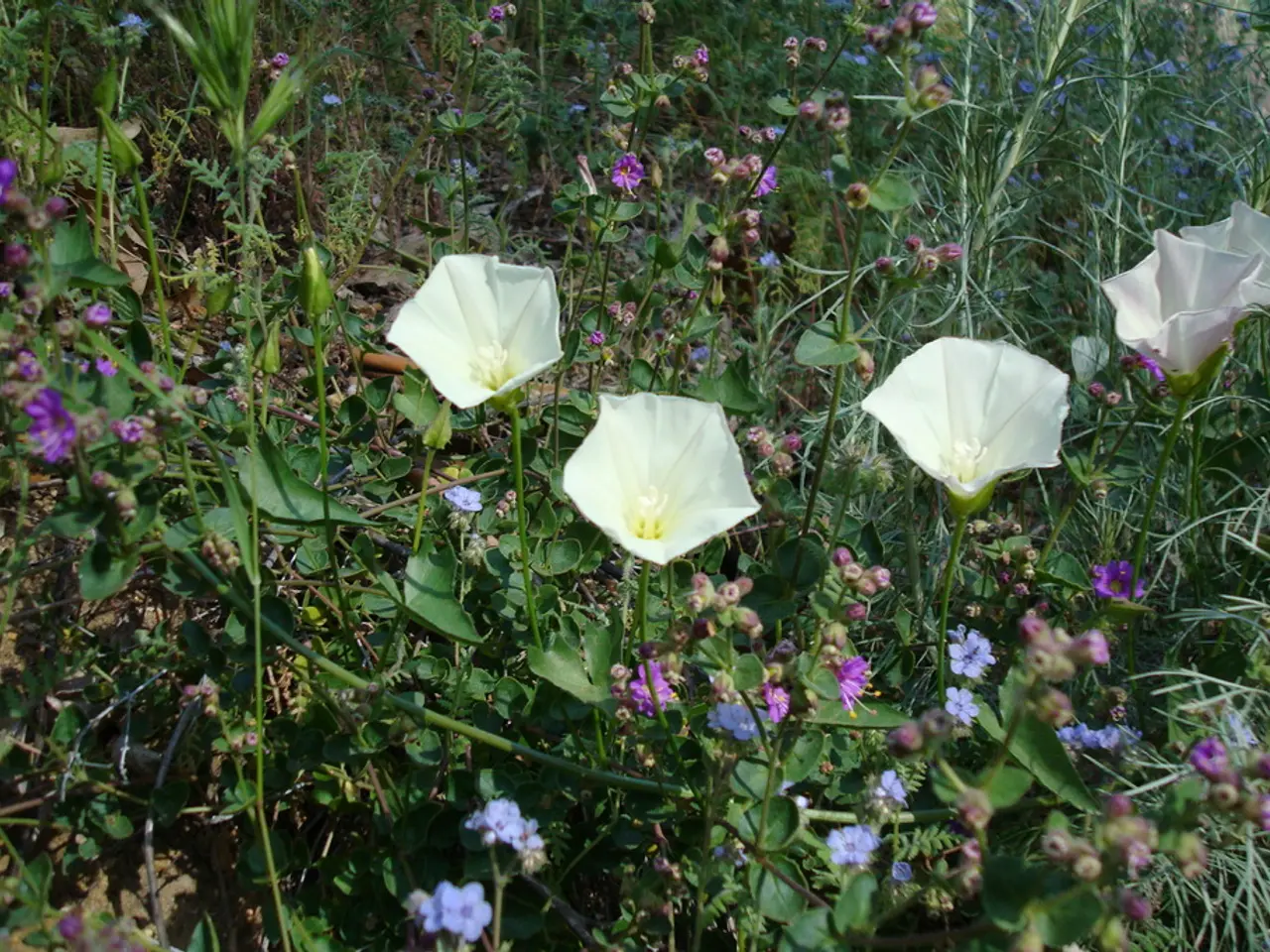
Top Nine Indigenous Flora Ideal for Landscaping Designs
Going green has never been easier or more beautiful with native plants! Born and raised in their local environment, these natural wonders thrive with minimal effort, make your garden pop, and support local wildlife. Here's a low-down on some killer native plants for landscaping that'll make your yard the hangout spot for bees, butterflies, birds, and more:
1. Shrubs: Witch Hazel (Hamamelis virginiana)
Adding structure and year-round interest to your landscape, these flowering trees offer stunning yellow blooms in the fall that contrast perfectly with the changing leaves. Contrary to popular belief, native shrubs are far from difficult to grow in urban areas. They're also great for providing food for small mammals and birds, making them eco-friendly superstars.
Growth Tip: Plant your native shrubs in partial shade or full sun and watch them thrive with minimal water and attention.
2. Wildflowers: Butterfly Weed (Asclepias tuberosa)
There's nothing quite as breathtaking as these orange beauties, with flowers that bloom from late spring to late summer. Monarch butterflies can't resist them! Plus, they're drought-tolerant, thrive in full sun, and need minimal maintenance. Myth-bust: Wildflowers are too much for a well-maintained garden! With proper planning, they can be the star of your landscaping, adding beauty and pollen power to your space.
Growth Tip: Plant wildflowers in a sunny spot with well-draining soil. They'll come back year after year, providing your garden with vibrant color and nourishment for pollinators.
3. Grasses: Little Bluestem
Native grasses bring texture and movement to your garden. This native species thrives in droughts and low maintence, making it the perfect addition for those with busy schedules. People often think native grasses are messy, but when properly placed, they add a graceful, sophisticated touch to any backyard.
Growth Tip: Plant native grasses in full sun for best results and watch them thrive.
4. Vines: Trumpet Creeper (Campsis radicans)
Looking for vertical interest? These fast-growing vines bloom with trumpet-shaped flowers that attract hummingbirds and bees, providing beauty and wildlife support to your space. Plus, they help cover fences, trellises, or walls, adding that wow-factor to your landscape. Time for a myth-check: these vines won't damage your structures. Trust us; when properly managed, they'll only enhance your garden's visual appeal.
Growth Tip: Plant native vines where they have room to grow, and trim them back regularly to keep them under control.
5. Woody Trees: Eastern Redbud (Cercis canadensis)
For larger landscaping projects, native trees like the Eastern Redbud offer a pop of color with heart-shaped leaves and showy pink flowers in the spring. These trees are perfect for providing shade and structure, busting the myth that native trees grow too slowly to make an impact.
Growth Tip: Plant native trees in the fall or spring to give them time to establish before the harsher weather sets in.
The Bonus Section: Beyond the Basics
Rushes: Soft Rush (Juncus effusus)
Rushes are perfect for wet areas of your landscape that need soil stabilization. They offer beautiful, upright greenery near water features or in rain gardens. Naysayers claim rushes only thrive in wetlands. Still, many species are adaptable and can be used in various soil types.
Growth Tip: Plant rushes in moist areas for best results.
Clubmosses: Clubmoss (Lycopodium clavatum)
Add a prehistoric touch to your lawn with these low-growing, evergreen plants. They're perfect for shady areas and offer your landscape a mossy, fern-like texture. People often think clubmosses are picky and hard to maintain, but with the right conditions, they're easy peasy.
Growth Tip: Plant clubmosses in shaded areas with well-draining soil.
Sedges: Pennsylvania Sedge (Carex pensylvanica)
Create soft, grassy groundcovers in shady areas with these low-growing sedges. They require little care, making them a great alternative to traditional lawns. Myth-check: Sedges don't provide as much coverage as turfgrass. In fact, they form dense mats that are excellent for erosion control and require much less water.
Growth Tip: Plant sedges in shaded areas to create a lush, green carpet in your garden.
So there you have it! By focusing on native plants and incorporating them into your landscaping, you'll create a thriving ecosystem in your outdoor space, all while reducing your environmental footprint and saving time on maintenance. Now, go forth and green your yard!
Incorporating native plants into your home-and-garden can enhance your lifestyle by creating a beautiful and eco-friendly space. For example, the Witch Hazel (Hamamelis virginiana) is a great shrub for urban areas, offering structure, year-round interest, and food for small mammals and birds. On the other hand, the Butterfly Weed (Asclepias tuberosa) is a vibrant wildflower that attracts monarch butterflies and provides drought-tolerant beauty with minimal maintenance. garden-lovers can consider adding native grasses such as Little Bluestem, which thrive in droughts and low maintenance, bringing texture and movement to the garden. With these native plant options, your home-and-garden can become a hub for local wildlife and a stunning piece of your lifestyle.