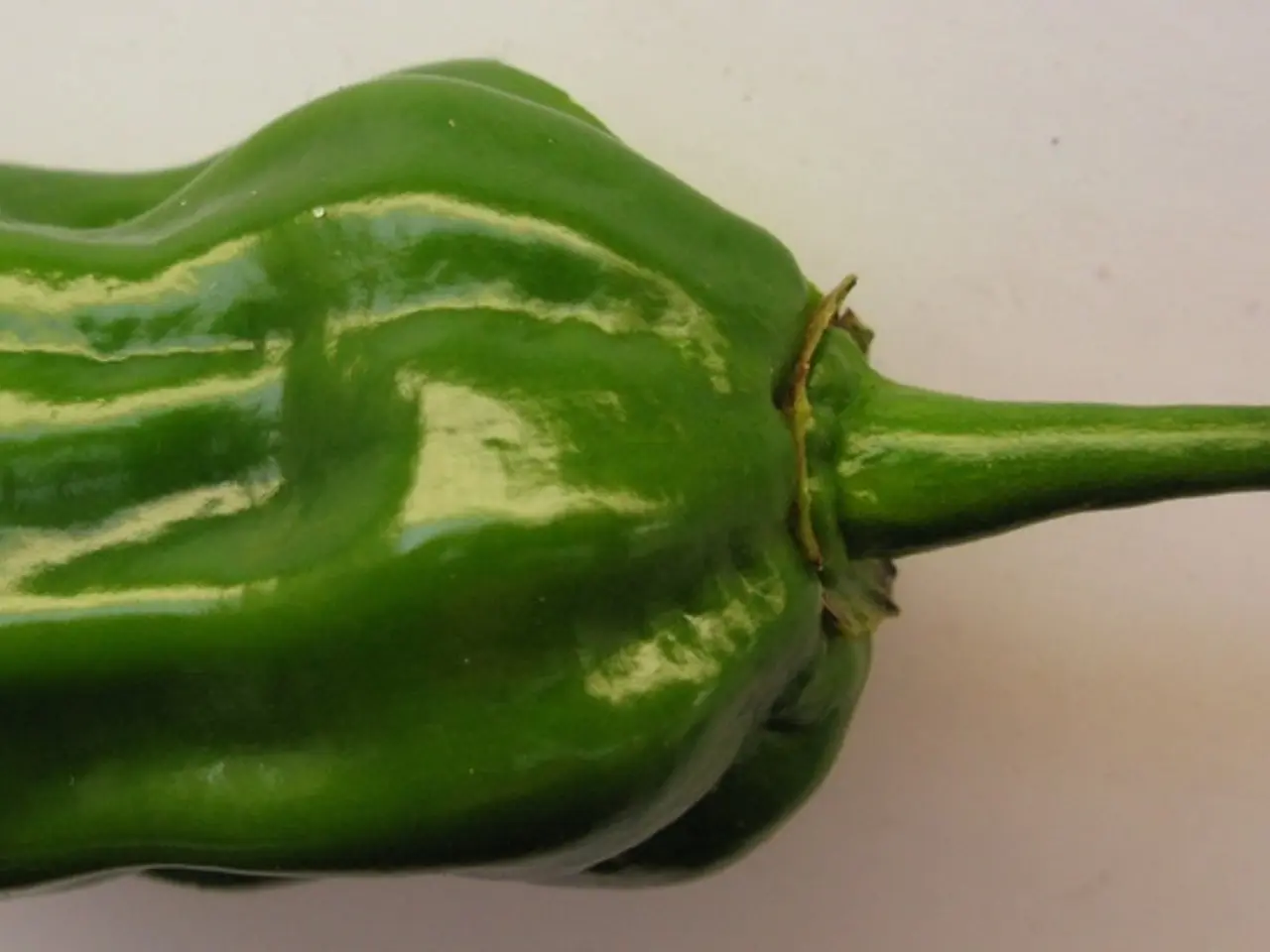
Strategies for Cultivating Prolific Pepper Plants Before the Approaching Summer's End
Growing Rapid Pepper Plants Before Autumn:
Wanna spice up your late summer garden with some vibrant peppers? Look no further! These pepper plants will give your dishes a powerful punch of flavor, and they grow in no time!
Here's the deal – summer heat is the perfect setting for growing those fiery, colorful peppers that elevate any meal. Don't fret if you've got a late start. By implementing some smart strategies and quick action, your garden could still offer an outstanding pepper yield before the 1st frost hits.
Choose Swift Peppers
When spring is a distant memory, it's all about picking the right peppers. Fast growers with maturation times under 70 days will produce fruit as fast as 60 days from transplant! If you look for types labeled "early" or "quick," you'll be well on your way to a speedy pepper season.
Some top choices: Hungarian Yellow Wax (58-65 days), Shishito (60 days), New Ace, King of the North, and cutesy Bell peppers. Grow these, and you're nearly guaranteed a thriving garden with a short growing season.
Start with Healthy Transplants
Fancy growing pepper plants from scratch? That's terrific! But when you're already in summer, jog down to the garden center and grab healthy transplants instead. Search for sturdy, dark green plants free of yellowing or pest damage. Avoid plants that appear leggy or have budded flowers, as they might be stressed.
Ideal transplants will be 4-6 inches tall with 5-7 true leaves. Give them a thorough check – lightly flip leaves to spot hiders like pests. If possible, examine the root system – root-bound plants won't establish as quickly since their roots circle the bottom of the pot. A healthy transplant offers a 4-6 week jump compared to seed starting.
Bask in Maximum Sunlight
Sun worshippers don't call peppers "photovores" for nothing. They thrive in light! Plant them in a spot receiving at least 6-8 hours of direct sunlight each day. Opt for southern exposure if you can, as it offers the longest daylight hours and stronger light intensity.
Container gardeners get extra advantages. Rearrange them as the sun moves throughout the day, boosting photosynthesis and accelerating growth. Use mobile platforms for thicker containers if needed – these flexible friends help you chase the sun.
Warm the Soil Speedily
Hydrangea dreams aside, peppers love warm soil, preferably between 70-85°F. Lucky for laters, midsummer soil normally heats up! Get a leg-up with black plastic mulch around newly planted peppers. Not only does this material warms the soil, but it also eliminates weeds that would compete with your plants. Container growers, place dark-colored containers on heat-absorbing surfaces like cement or stone patios. Warm roots mean faster growth and earlier peppers!
Maximizing Container Growing
Container gardening calls for control over soil, sunlight, and mobility. For one pepper plant, use a container 12 inches deep and wide. Adequate drainage holes are a must. Use premium potting mix, not garden soil, to avoid compaction and eliminate disease organisms. Pot-bound plants may take longer to establish in containers.
Remember, container-grown peppers may require more frequent watering – sometimes twice daily in hot weather. Stick your finger an inch into the soil to check moisture levels.
Feed for Fast Growth
Peppers grow better with proper nutrition. Start with a balanced fertilizer (10-10-10) at the time of planting. Once peppers start flowering, use a formula richer in phosphorus and potassium. Too much nitrogen will thicken foliage at the expense of fruit set.
For fastest results, use liquid fertilizers, which provide directly accessible nutrients. A fish emulsion and seaweed blend work well as organic options. Apply fertilizer every 10-14 days, but reduce frequency if plants show signs of stress like leaf burn.
Water Thoughtfully
Proper watering makes a huge impact on yield and pepper quality. Pepper plants prefer consistent moisture but can't handle soggy soil. Shoot for about 1-2 inches of water per week, adjusting based on rainfall, temperature, and soil drainage features. Deep, infrequent watering enhances root development.
Morning watering is best as it allows foliage to dry during the day, reducing disease risk. Drip irrigation or soaker hoses are efficient choices in summer heat, conserving water and preventing foliage wetness. Mulch helps keep soil moisture and moderates temperature.
Pruning? Yeah, Baby!
Smart pruning directs pepper energy toward fruit production instead of excessive foliage growth. Once transplants settle in, remove the first few flowers. This strategy guides the plant to develop a strong root system before focusing on fruit development.
Once established, pinch off growing tips to create bushier growth with more fruit-bearing sites. Snip any leaf that touches the ground to stop disease spread. If your grow season is short, thin some developing peppers for larger peppers that mature quickly.
Support and Protect Your Peppers
Support structure is crucial when nurturing a heavy crop. Peppers heavy with fruit can bend or break! Simple stakes work for most varieties, while tomato cages are perfect for large or fruit-loaded plants. Place them early and secure plants to them gently to avoid damaging stems. These supports elevate peppers off the ground, reducing rot and pest issues. Plus, they improve air circulation around plants.
Extend the Season with Protection
As summer ends and fall begins, sleepy frost might invade your pepper patch. Peppers aren't frost-friendly – growth slows below 60°F. Luckily, simple protections can extend your harvest season by weeks.
Row covers can provide a few degrees of frost protection without obstructing sunlight or water. Bring container-grown peppers inside during cold spells, like on your porch or sometime even garage! So freaking clever, right? Gardeners have also found that covering individual plants with clear plastic milk jugs (bottoms removed) can extend the growing season.
Engaging in a home-and-garden lifestyle with a love for gardening, you can enrich your home-cooked meals by including some seed starting of fast-maturing peppers for a bountiful yield before the first frost. Instead of starting seeds at home from scratch during summer, purchase healthy transplants from the garden center.
When selecting these transplants, choose sturdy, dark green plants with 5-7 true leaves that are free of yellowing or pest damage. Growing these quick-maturing peppers, such as Hungarian Yellow Wax, Shishito, New Ace, King of the North, and Bell peppers, will contribute to a thriving garden with a short growing season in your home-and-garden setup.