Optimal Soil Conditions for Thriving Yucca Plants
Yucca plants, native to the Americas, are known for their drought tolerance, hardiness, and ornamental beauty. These low-maintenance plants are highly adaptable to most indoor conditions and thrive in dry, sandy, gritty, and well-drained soil. Here's a guide to understanding the ideal soil requirements for both outdoor and indoor yucca plants.
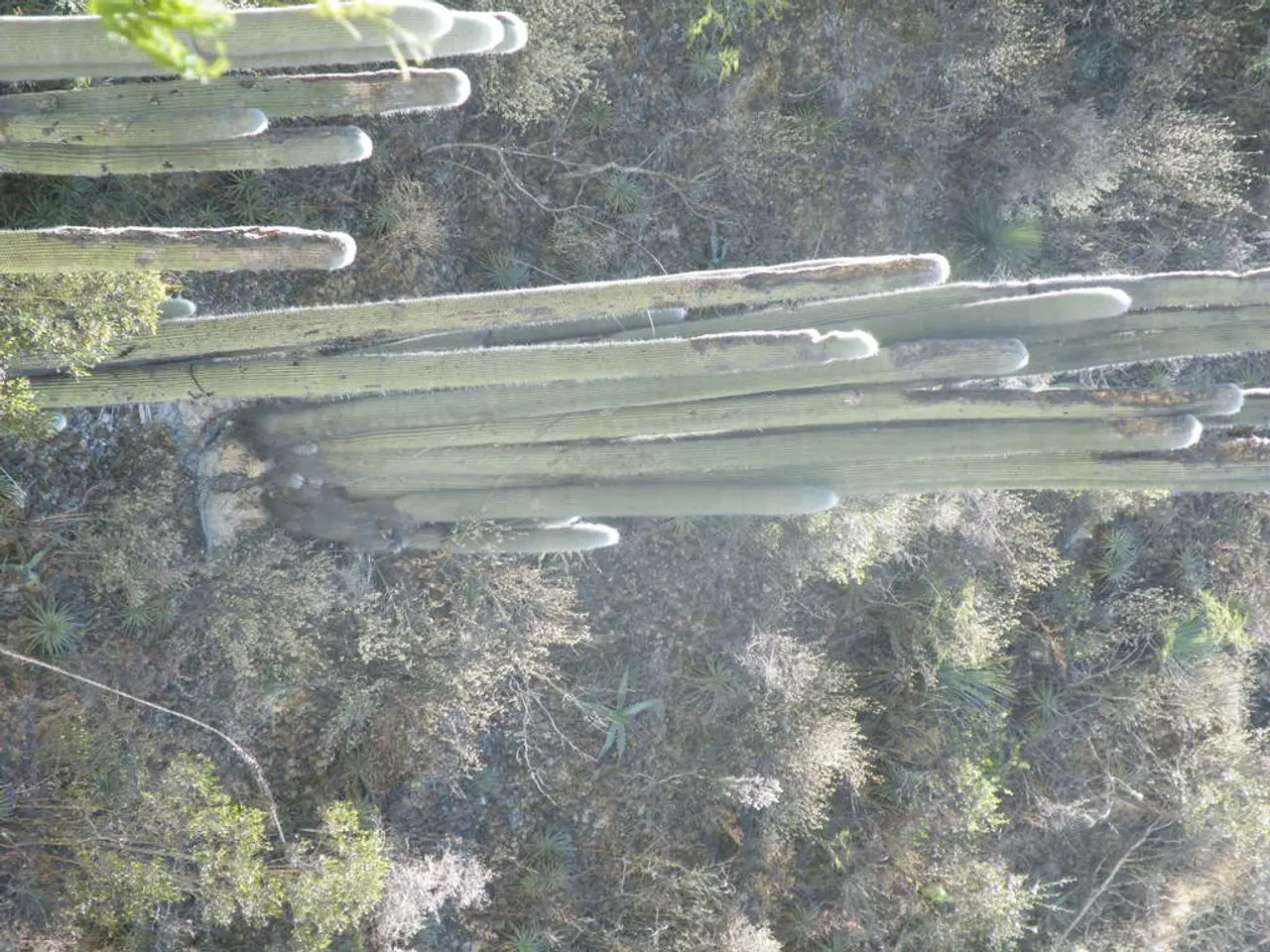
Soil Type: Outdoor yuccas prefer alkaline, sandy, stony, or rocky soils. They are well adapted to poor soils with low organic matter and can tolerate limestone and rocky soils. For indoor planting, a cactus or succulent mix rich in sand or perlite is ideal to mimic their natural substrate.
Drainage: Good drainage is essential for yucca plants. They do not tolerate soil that retains excess moisture, as this can cause root rot. The soil must not crowd irrigation or rainwater, so they thrive best in well-drained soils that do not compact excessively. Adding materials like perlite or vermiculite can improve aeration and drainage.
Weight: The soil should be lightweight and loose, especially for potted yuccas. This ensures oxygen can reach the roots effectively, preventing soil compaction and promoting healthy root respiration. Vermiculite and perlite are commonly used additives to maintain lightness and increase air pockets in the soil.
Acidity (pH): Yuccas prefer alkaline conditions. Therefore, the soil should generally be neutral to alkaline rather than acidic. Avoid acidic soils as yuccas are adapted to desert environments where soils are often calcareous or rocky.
When repotting indoor yucca plants, choose a larger pot and refresh the soil with a fresh, well-draining mixture. For outdoor yuccas, improving drainage by incorporating sand, gravel, or perlite into the soil may be necessary.
Yucca plants are sensitive to overwatering and should only be watered when the top half of the soil is dry. Overwatering is the most common issue with yucca plants and can lead to root rot. The recommended soil mixture for propagating yucca cuttings is a three-to-one ratio of sand to peat.
In all environments, minimizing excess moisture and ensuring good soil aeration is key to the health of yucca plants, given their desert origins. Here's a summary table for easy reference:
| Aspect | Outdoor Yucca | Indoor Yucca | |-------------|------------------------------------|----------------------------------| | Soil Type | Alkaline, sandy, stony, rocky | Cactus/succulent mix with sand/perlite | | Drainage | Well-drained, no water retention | Well-drained, light and porous | | Weight | Loose, non-compacting | Light, aerated with vermiculite/perlite | | Acidity | Neutral to alkaline (not acidic) | Neutral to alkaline |
By understanding and catering to these soil requirements, you can ensure the health and longevity of your yucca plants, whether they're indoors or outdoors.
Adopting a home-and-garden lifestyle that includes gardening, you can care for your yucca plants effectively by providing them with a suitable soil mix and maintaining good drainage. For outdoor yuccas, use alkaline, sandy, stony, or rocky soils, whereas for indoor plants, a cactus or succulent mix rich in sand or perlite works best. It's crucial that yucca plants are grown in lightweight, loose soils to promote healthy root respiration and prevent soil compaction. Remember, yuccas prefer alkaline conditions, so the soil should be neutral to alkaline, not acidic.