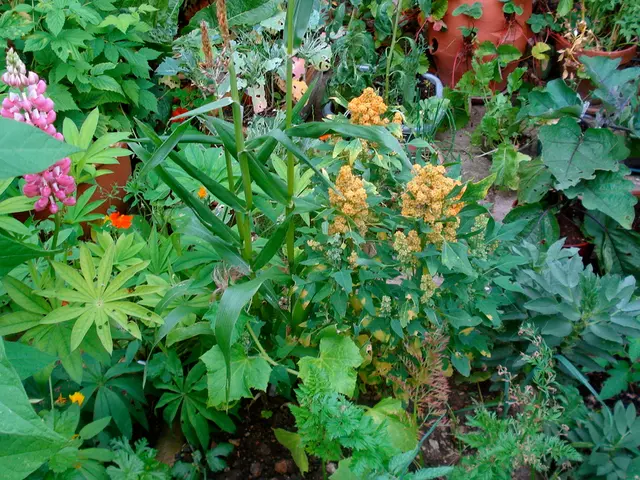

Immediate Eco-Friendly Adjustments for Your Garden Right Now
A guide to sustainable gardening emphasizes the importance of an eco-friendly approach to garden design. By adopting a few key practices, you can create a thriving and environmentally friendly garden.
- Seasonal BloomsPlan your garden with flowers and vegetables that bloom in their natural growing seasons, ensuring a continuous stream of pollinators and reducing water and resource consumption. Collecting seeds is a cost-effective way of maintaining a steady supply of flowers.
- Companion PlantingThis method involves planting crops strategically around each other to deter pests and promote the growth of beneficial insects. For example, garlic and onions can deter the carrot root fly when planted between carrot rows. Selecting the right combination of flowers and crops can enhance your garden's sustainability and health.
- Cover Your CropsTo prevent unwanted pests such as flies and butterflies, cover vegetables like Brussels sprouts with protective nets during vulnerable periods. Using strong nets allows for long-term reuse and helps prevent the waste of seeds due to unpredictable weather patterns.
- Choose ResilienceSelectiving plants that are resilient to a wide range of weather conditions reduces the need for frequent intervention and supports the garden's overall ecology. Seek out plants that can grow in mild winters or harsh frosts to ensure their survival.
- Improve Soil HealthSoil health is essential to a sustainable garden, as it serves as the foundation for a rich garden ecosystem. Improving soil quality helps trap water and supports a multitude of beneficial organisms critical to the planet's health.
- Use Natural BordersInstead of using fence panels, which entail emissions from the manufacturing process and the clearing of trees, opt for hedges to create privacy and provide a natural boundary. Maintaining a healthy lawn is also crucial, so invest in a weed eater to manage unwanted growth effectively without causing harm to the grass.
- Native PlantsPlanting native species that are adapted to the local climate and soil reduces water and chemical input requirements while promoting local biodiversity. By adopting a naturalistic planting design and replacing non-performing plants, you can encourage wildlife and create a beautiful, low-maintenance garden.
- Permaculture GardeningCombining permaculture principles with a focus on composting, compostable pots, and natural pest management methods can help reduce environmental harm while providing an abundance of food and resources. This approach creates a sustainable ecosystem in the garden that mimics natural systems.
By following these principles, you can create a garden that is more sustainable, resource-efficient, and environmentally friendly, while still reaping the benefits of a beautiful and bountiful garden.
- Enhance the sustainability of your home-and-garden by adopting the principle of companion planting, which promotes the growth of beneficial insects and deters pests by strategically planting crops around each other.
- To align your lifestyle with sustainable-living and create a garden that supports local ecosystems, consider incorporating native plants into your garden design. These species, adapted to the local climate and soil, can reduce water and chemical input requirements, promote local biodiversity, and create a low-maintenance, thriving garden.